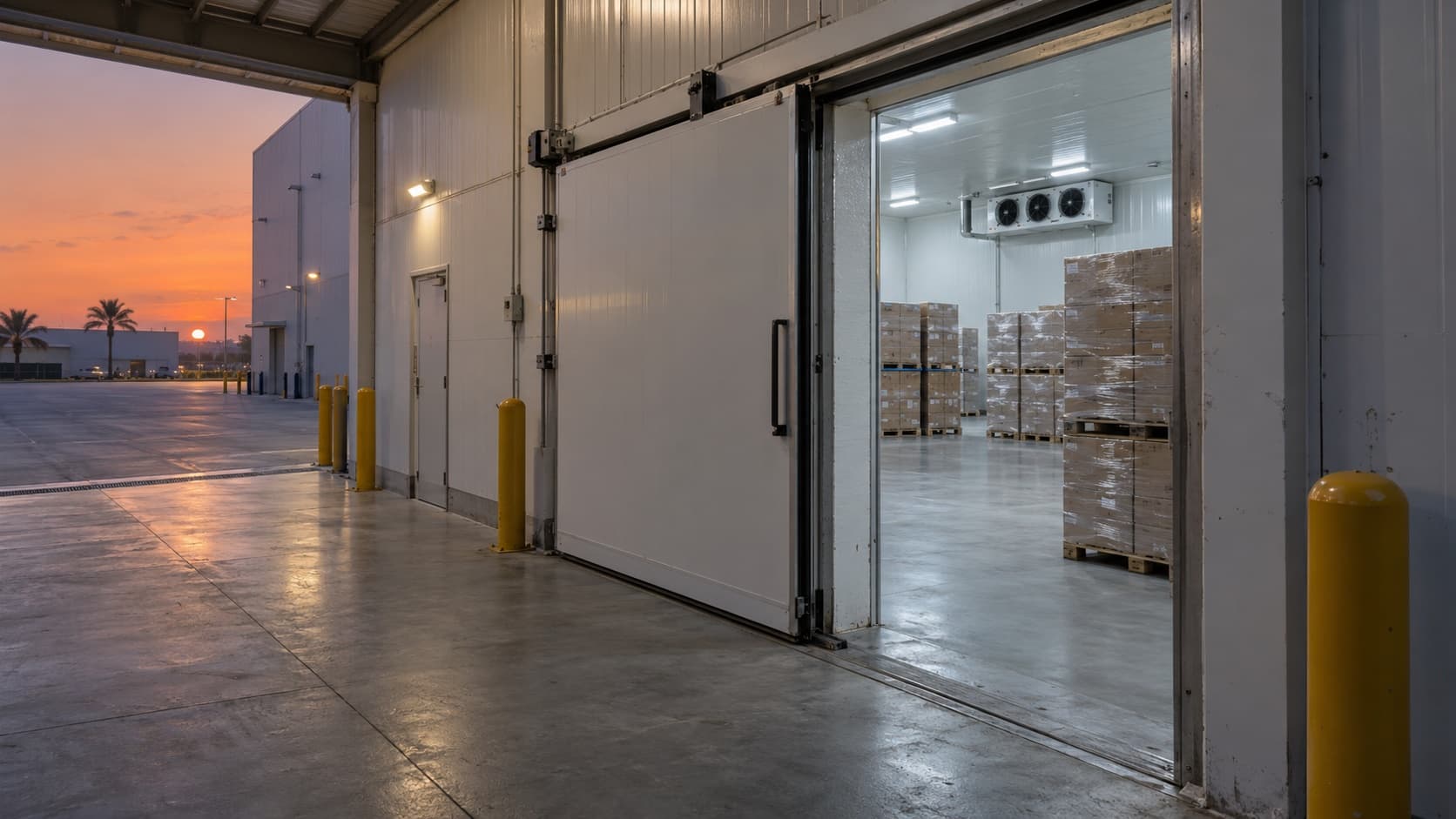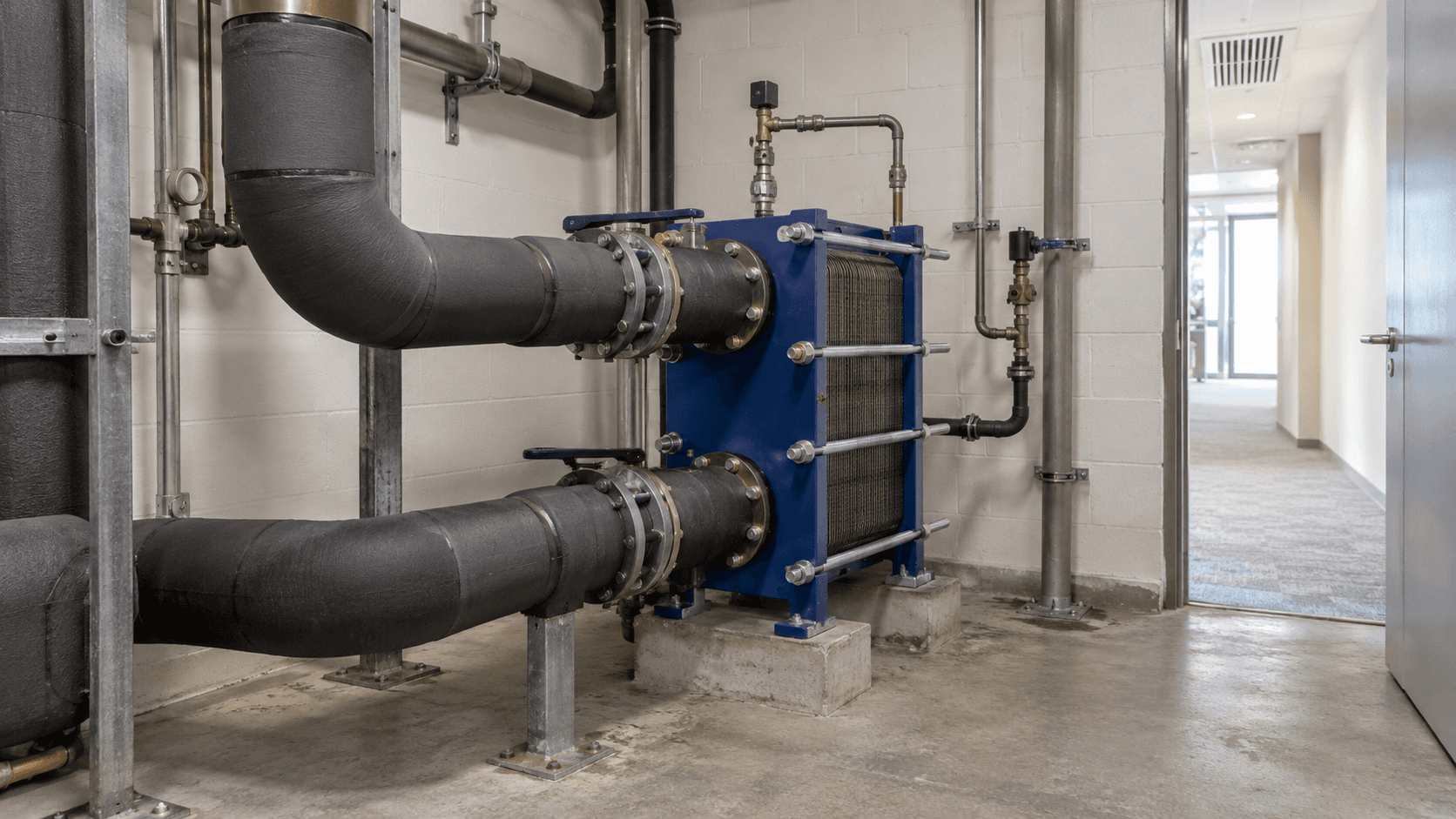
Illustrative image: checking solar monitoring equipment at a generic industrial building, not a named Dubai installation.
A warehouse solar performance guarantee is useful only if the contract defines what is measured, how weather and shutdowns are treated, and what happens when the system falls short. A forecast of annual generation, an equipment warranty and an uptime promise are not interchangeable. Before choosing a Dubai warehouse proposal, ask each bidder for the same written performance schedule, not just a larger savings percentage.
This guide is for warehouse owners and commercial decision-makers comparing a purchase, solar lease or maintenance agreement. It is a procurement checklist, not a statement that every supplier offers an output guarantee or that a particular clause will be enforceable. Have your technical adviser and UAE legal adviser review the final terms.
Start by asking: what exactly is guaranteed?
A proposal can contain a sensible generation estimate without promising compensation if the estimate is missed. Equally, an availability guarantee may address equipment uptime without guaranteeing your annual electricity output. Research by Sandia and NREL documents how availability definitions and exclusions differ between contracts. Put the promised metric beside its remedy before giving it a value in your investment decision.
Promise in the proposal | What to establish | What it does not establish by itself |
|---|---|---|
Forecast annual energy, in kWh | Model, weather data, system size and assumed losses | A contractual obligation to pay for a shortfall |
Guaranteed annual energy | Threshold, measurement point, assessment period and permitted adjustments | That every missing kWh qualifies for compensation |
Weather-adjusted performance | Agreed calculation, weather inputs and data-quality rules | A fixed electricity bill reduction regardless of conditions |
Availability or uptime | Whether it is time-based or energy-weighted, what equipment is covered and what is excluded | That the available equipment is producing the expected energy |
Module performance warranty | Manufacturer's warranted power curve, test conditions and remedy | A whole-plant annual energy or lost-savings guarantee |
Keep the equipment and scope comparison alongside this schedule. Our guide to reading the line items in a solar quotation covers that first comparison; the additional question here is who carries the financial consequence of underperformance.
Separate poor weather from poor performance
Solar output depends on the system and the weather. NREL's Weather-Corrected Performance Ratio report explains why an uncorrected performance ratio can change with the season and describes a correction intended to make contractual performance assessment more consistent. It is technical research, not a Dubai contract requirement.
For a warehouse buyer, the practical question is simpler: if the year has different sunlight or temperatures from the original model, how does the contractual target change? Ask for a worked example using the proposed calculation. A weather-adjusted metric may help allocate system-performance risk, but the amount of weather risk retained by each party depends on the actual formula.
Freeze the baseline: identify the agreed model version, array layout, DC panel capacity, AC inverter capacity and loss assumptions.
Name the weather source: specify the site sensors, independent dataset or other agreed source, and the fallback if data are missing.
Define the adjustment: state which effects are corrected, including temperature where applicable. Do not assume that “weather-adjusted” also excuses dirt or equipment faults.
Protect the evidence: agree who maintains and checks sensors, who can download the records and how long data are retained.
The NREL-led PV operation and maintenance best-practices guide discusses performance indicators, monitoring and guarantee arrangements. Use it as a technical reference for your adviser, not a substitute for the terms in your own contract.
Keep generation separate from the DEWA bill
Ask where guaranteed energy is measured: at inverter output, a generation meter, or another defined delivery point. Those are not automatically the same as the net import or export readings on your electricity bill. Your adviser should reconcile the proposed meter boundary with losses and the financial model.
For standard Shams Dubai, DEWA's current FAQ explains that surplus is credited against future electricity consumption rather than paid out as money. It also places system maintenance on the customer and requires a signed O&M contract with an enrolled service provider as part of connection. A supplier's energy promise does not remove those obligations. Keep the assumed value of that energy in a separate financial model, as discussed in our commercial solar costs and payback guide.
Do not assess a generation guarantee solely by whether this month's total bill fell. Warehouse operating hours, refrigeration demand and electricity consumption can change. In a financed proposal, also separate the utility bill from the solar provider's invoice. Our Dubai business solar PPA and leasing guide explains the wider contract structure; here, ask specifically whether an output shortfall changes payments, triggers a credit or only requires a repair.
Put warehouse exclusions on the table before signing
Some exclusions can be reasonable. The problem is an undefined exclusion whose effect nobody has priced. Build an event register for your own site and ask who must record the cause, duration, affected equipment and estimated lost energy.
Roof access: agree normal service access, safety arrangements and what happens when warehouse operations prevent a visit. Distinguish an owner-caused access delay from a contractor failing to attend an agreed appointment.
Cleaning and dust: identify who supplies cleaning, water and access equipment, and how a missed visit affects the calculation. Do not accept an unqualified “dust excluded” without understanding which risk remains with you.
Roof repairs and future plant: record planned roof works, new vents or other changes that may require shutdown or alter shading. Where roof renewal is foreseeable, compare the sequence using our warehouse roof replacement before solar guide.
Grid events and operational shutdowns: distinguish external outages, instructed shutdowns and equipment faults. Require evidence for any excluded period, rather than a blanket deduction.
Repairs and spare parts: state whether waiting for a replacement inverter, subcontractor or manufacturer decision counts against the guarantee. A promise to respond is not the same as a deadline to restore generation.
For a multi-building portfolio, request site-by-site results. Otherwise, ask whether strong output from one building can offset a shortfall at your warehouse under the proposed terms. That is a commercial choice to understand, not an assumption to discover after handover.
Agree a shortfall remedy you can actually evaluate
Ask the bidder to calculate one hypothetical underperformance year from start to finish: metered energy, contractual adjustments, threshold, qualifying shortfall and the resulting payment or service obligation. The example should use the draft contract's method, not a fresh sales illustration.
Measurement period: when the guarantee starts, how partial years are handled and when the first assessment is due.
Threshold and degradation: the precise target for each year, including any allowed decline, tolerance or deductible.
Remedy: whether the obligation is investigation, repair, service credit, cash payment or a combination.
Valuation and limits: the agreed value of qualifying lost energy, any annual or lifetime cap, and whether the remedy is the exclusive one.
Claim process: reporting date, evidence, notice deadline, payment deadline and an agreed route for independent technical review if the parties disagree.
Counterparty: the legal entity giving the promise, its term and what happens if the O&M provider changes.
These are negotiation questions, not a model UAE legal clause. A supplier offering repair-only cover may still provide a suitable proposal, but do not price that cover as though it reimburses lost generation. Likewise, no compensation promise should be assumed to cover business interruption or damage to stored goods unless the relevant contract and insurance expressly address it.
The decision rule: compare the protection, not the headline
Before selecting a warehouse solar proposal, obtain a completed performance schedule with a measurement boundary, baseline, weather method, exclusions, data access and a worked remedy. If a bidder offers no contractual output protection, mark it “forecast only” and assess that proposal on that basis. A transparent limitation is more useful than a broad promise that cannot be measured.
Ready to compare site-specific offers? Request commercial solar quotations through SolarQuote, subject to project suitability and installer availability. Include your warehouse location, ownership or landlord authority, electricity bills, roof information and the performance schedule you want bidders to complete. SolarQuote helps you compare installer proposals; it does not issue the contractor's guarantee.
Primary technical and utility sources checked on 19 October 2026. The cited international research explains measurement principles; it is not presented as a UAE statutory guarantee standard.