Before adding solar panels to a Dubai villa, tell your home insurer about the proposed work and ask for written confirmation of cover for the completed system. Do not assume that a buildings policy, a panel warranty or an installer's insurance answers the same question. Your policy wording, schedule and any endorsement determine the insurance position, including the components insured, covered causes of damage, exclusions and excess.
This guide is for a Dubai villa owner reviewing domestic home insurance before a rooftop solar installation, or checking a system already installed. It is not an insurance quotation, a claim decision or confirmation that every UAE policy covers solar. If equipment is leased or owned by another company, establish that company's insurance responsibilities separately.
Do I need to tell my insurer about solar panels?
The sensible step is to notify the insurer before work starts, not wait for renewal. Two published UAE home-insurance wordings explain why. Sukoon's Home Umbrella terms and conditions, General Conditions, Part H, tell policyholders to disclose changes to their buildings and work that is going to be done to their home. The wording warns that failure to disclose material changes may affect a claim or could result in the policy being voided. That is a policy-specific condition, not a statement that every solar installation automatically invalidates insurance.
GIG Gulf's Home Comfort policy handbook, in its introduction, asks customers to report changes affecting the use, nature or amount of insured property immediately. It says changes take effect after the insurer agrees and issues an endorsement. An endorsement is a written amendment to the policy; a message acknowledging receipt of your enquiry is not necessarily one.
Send the proposed specification, installation location, scope and work dates to your insurer or broker. Ask what they need to assess it and whether an amended schedule or endorsement is required. If the system is already there, disclose the actual installation now and ask for its position in writing, without assuming retrospective cover.
A mention of solar glass is not whole-system cover
There is useful evidence that solar is not entirely absent from domestic policy wording. GIG's buildings extension for fixed-glass breakage explicitly mentions glass in solar panel units, subject to that extension's limit and exclusion. Sukoon's fixed-glass provisions also refer to solar-panel glass, with their own conditions and exclusions. These are specific glass provisions, not a promise to replace every part of a PV system after any fault.
Sukoon also defines a solar panel as a roof-mounted glass unit generating electricity or heat, with wording about material loss where there is no manufacturer warranty. That reference does not establish comprehensive PV cover. Ask how the insurer applies the definition, the selected policy sections and any manufacturer's warranty to your actual system. Do not interpret a definition in isolation from the rest of the contract.
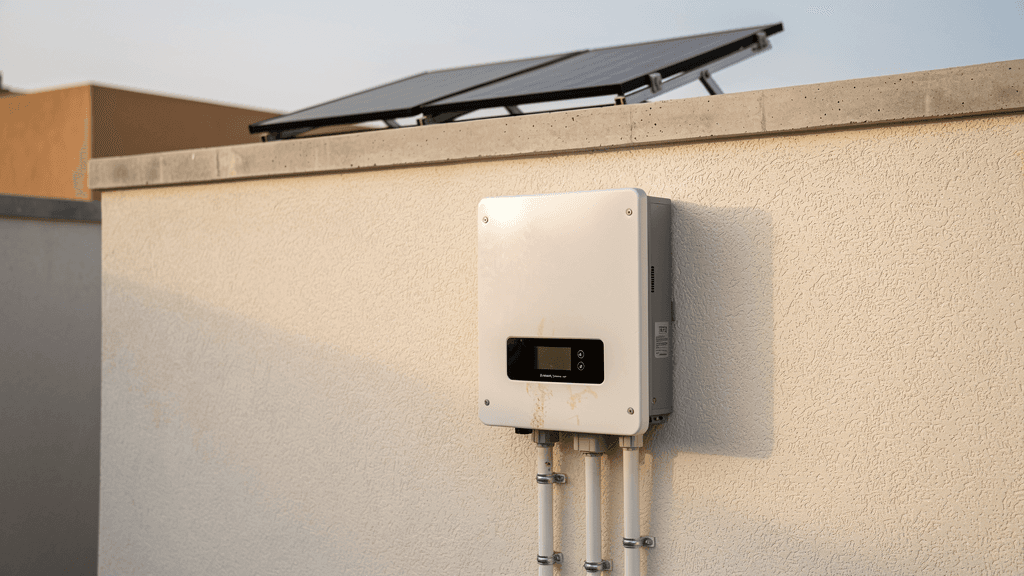
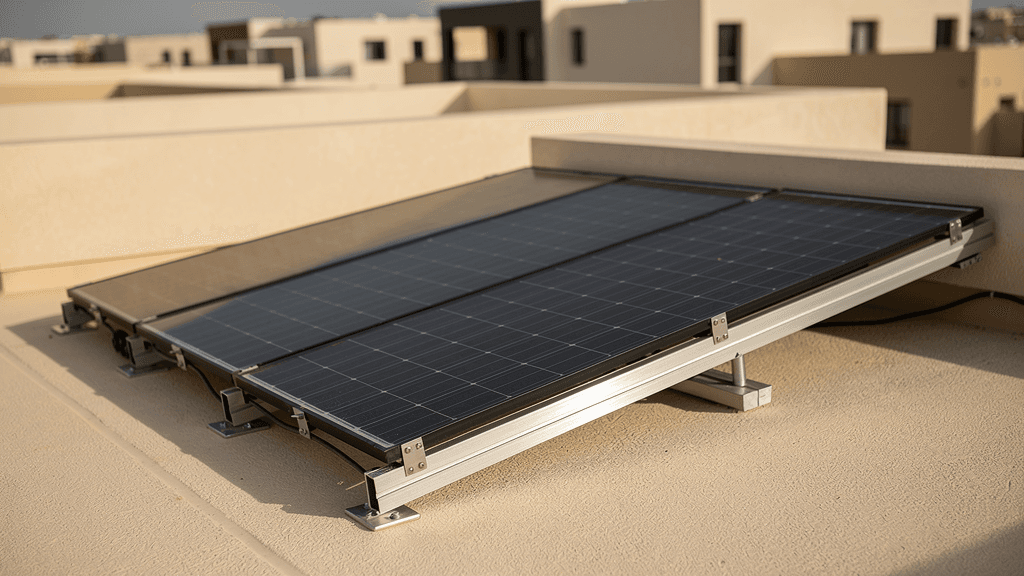
Request a component-by-component answer: modules, mounting structure, inverter, cables and monitoring equipment. Include a battery or solar carport only if it is actually proposed. Ask which section insures each item, who must own it, and whether anything needs to be listed separately. Do not assume an outdoor inverter is covered merely because panel glass is mentioned.
Separate installation risk from completed-system risk
Ask two questions: what happens during the work, and what happens after it is finished? Both cited wordings' buildings accidental-damage sections exclude damage arising from defective materials, defective design or faulty workmanship, and from building work comprising alterations, renovations, additions and repairs. They also exclude maintenance or normal upkeep. These are exclusions in specified sections, not a finding that every possible solar-related loss is excluded throughout either policy.
Ask your home insurer to explain how the proposed installation affects existing cover, including damage to the roof or other parts of the villa during the work. Ask the installer for evidence of the insurance relevant to its work, the insured company, validity dates, scope and relevant exclusions. Have your insurer or broker assess any gap; a contractor handing you an insurance certificate does not prove that your particular loss would be paid.
Put roof condition, mounting details and responsibility for leaks in the installation contract too. Our flat-roof solar waterproofing checklist helps identify that scope. Insurance is not a substitute for agreeing who repairs defective work.
Six answers to obtain before signing
Insured property: is this specific PV system accepted under the policy, and which components and ownership arrangements are included?
Causes of damage: how do fire, storm, flood, accidental damage, theft and electrical or mechanical failure apply? Request the applicable exclusions rather than treating “all risks” as “anything that happens”.
Value and limits: does the insurer require an updated rebuilding or replacement valuation, a separately listed item or a different sum insured? Ask about component sub-limits and the excess. Do not substitute the villa's sale price for an insurer-approved valuation basis.
Repair scope: would an accepted claim include diagnosis, roof access, removal, refitting and making good, or only a damaged component? Ask about lost generation or higher electricity bills separately; do not assume they are covered.
Installation and liability: what cover applies while work is underway, and which policy, if any, addresses injury or damage to neighbouring property? Distinguish the owner's cover from the contractor's.
Evidence and dates: what approval, commissioning, maintenance and ownership records are required, when does any amended cover begin, and which future equipment changes must be disclosed?
These are an editorial enquiry checklist, not a list of guaranteed benefits. Use the solar quotation specification checklist to obtain the equipment and work details the insurer needs. There is no verified standard solar premium increase or mandatory standalone solar policy price in this guide.
Insurance and warranty are different checks
Do not describe a manufacturer's warranty as insurance against every event that can damage your installation. Compare the exact warranty and insurance wording instead: the covered cause, remedy, exclusions and repair costs may differ. Our guide to who pays solar warranty repair labour deals with a separate question, the costs around a manufacturer-covered defect.
Keep the accepted insurance documents alongside the invoice, equipment schedule, commissioning records, relevant approval records and maintenance arrangements. The Dubai solar owner handover pack is a practical way to organise the installation evidence. Collect records from the contractor; do not climb onto the roof or open equipment to identify components for an insurer.
A message you can send your insurer
I plan to install rooftop solar PV at my Dubai villa. Please review the attached equipment specification, ownership details, mounting proposal, contractor scope and proposed work dates. Confirm how my policy applies during installation and after completion, including modules, mounting, inverter and associated equipment. Please identify covered causes, exclusions, limits, excess, valuation changes, required records and any endorsement or amended schedule. If any part is not covered, please state the gap and available options in writing.
The decision rule: disclose the proposal, obtain a precise written response and resolve unanswered gaps before committing to work. Do not buy on the reassurance that “panels are part of the house”. If you are gathering proposals, request Dubai solar installation quotes with a named equipment schedule and clear work scope; then send those details to your insurer, not just the headline price.
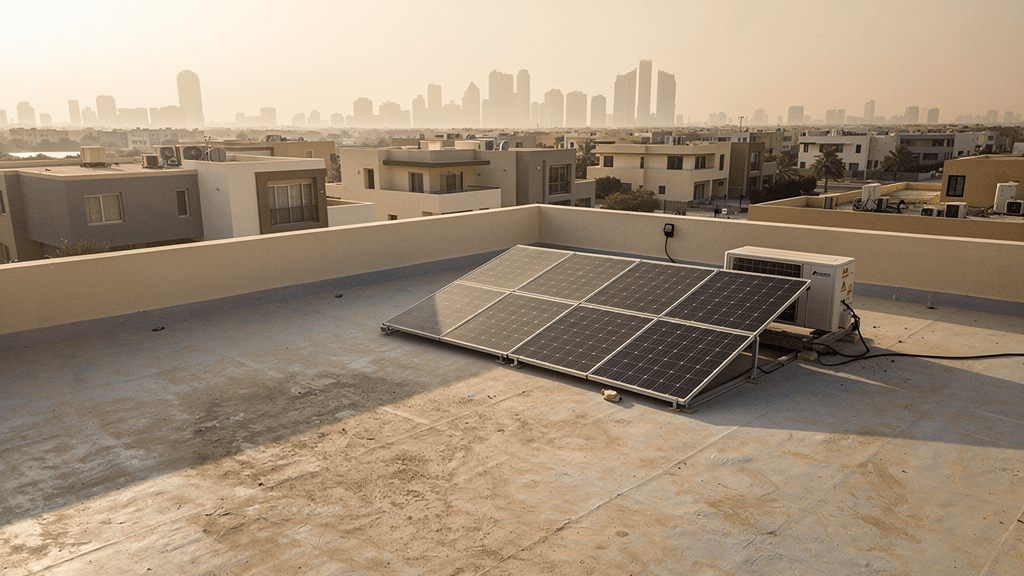
Published insurer documents checked on 7 October 2026. Examples are product-specific, not an insurer ranking or confirmation of your cover. Your issued wording, schedule and endorsements govern; obtain advice from your insurer or authorised insurance adviser. Hero image is AI-generated and illustrative, not a real policy or customer file.