A Ras Al Khaimah factory should not size rooftop solar from roof area alone. First establish the electricity connection category, the utility-confirmed connected load and the capacity the utility will accept. Ras Al Khaimah Municipality's current Solar Support Programme page describes EtihadWE's Distributed Solar System initiative as limited to 10% of total connected load, capped at 1 MW. That is an initial eligibility and sizing constraint, not an approval for a particular factory or a promise that the largest permitted system is the best investment.
This guide is for industrial property owners and authorised factory occupiers in Ras Al Khaimah considering a grid-connected project. It is not a residential guide, an electrical design or a statement that every business account is eligible. A factory's operating activity, the account's utility classification and its roof rights all need checking.
Start with the connection, not the factory roof
The municipality's Solar Support Programme names industrial, agricultural and local residential connections when describing the EtihadWE initiative. Separately, the municipality offers technical, contractual and tendering support to a broader group that includes commercial entities. Those are different statements: access to advice does not establish grid-connection eligibility.
If your building is used as a factory but billed under another category, ask EtihadWE to confirm the account's route rather than assuming the industrial description applies. Likewise, do not assume that an office, shop or ordinary commercial warehouse qualifies simply because it has a large electricity bill.
Ask the utility or the proposed authorised delivery team to confirm these points in writing:
The exact account and connection category being assessed.
The connected-load figure used for the capacity calculation, its units and the utility record supporting it.
How the permitted solar capacity is defined, including its relationship to inverter AC rating and module DC nameplate capacity.
Whether capacity is available for the application and what further technical or network conditions apply.
The municipality also says there is an annual overall connection limit and applications are considered on a first-come, first-served basis. Its page does not establish the remaining allocation today. A salesperson's available installation date is not proof of a reserved grid allocation.
What the 10% limit does, and does not, tell you
Connected load is a capacity input; electricity consumption in kWh is energy used over time. Do not calculate a solar capacity allowance by taking 10% of a monthly kWh bill, and do not read the capacity limit as a guaranteed 10% reduction in electricity costs.
Input | What it helps answer | What it does not establish |
|---|---|---|
Utility-confirmed connected load and applicable cap | The initial capacity envelope to discuss with EtihadWE. | Final technical acceptance, available programme allocation or an approved AC/DC configuration. |
Surveyed roof and building condition | Whether a maintainable layout can fit safely within the candidate envelope. | Permission to use the roof, or savings from every square metre. |
Monthly consumption, generation and settlement model | Whether the proposed output can produce usable bill reductions. | A fixed return, a cash payment for surplus or automatic credit carryover. |
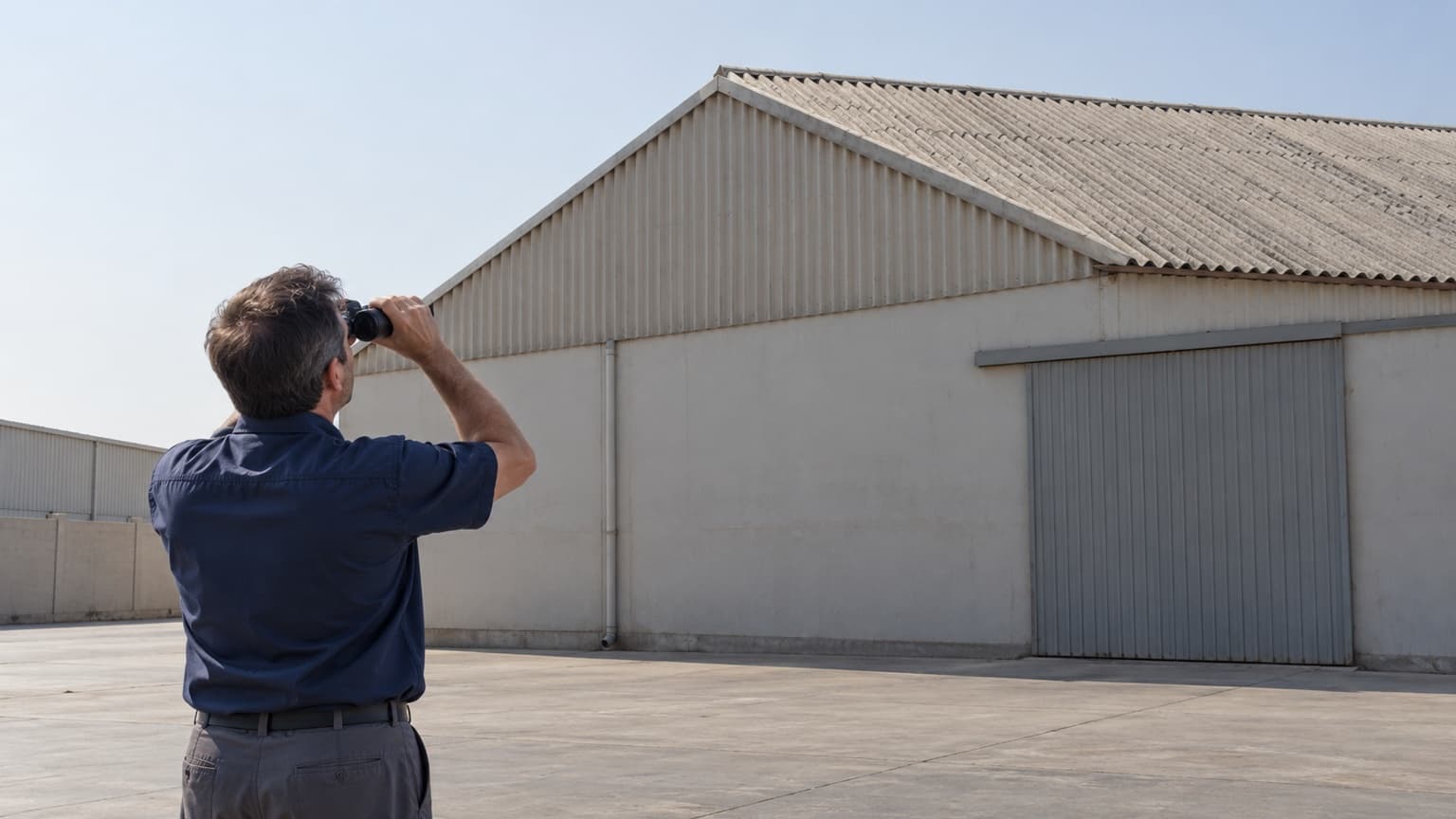
A roof might accommodate more panels than the connection permits. It might also accommodate fewer once structure, roof condition, openings and service access are assessed. Ask the designer to reconcile both constraints before producing a final price. If the existing covering needs work, the repair-versus-reroof comparison before solar is a useful procurement framework; its Dubai approval references are not the approval route for Ras Al Khaimah.
Do not import a Dubai credit model
EtihadWE's 22 September 2024 DSS announcement describes a grid-export arrangement with two meters: one measuring exported energy and another measuring imports. It says monthly exports and imports are compared and excess exports are credited for use within the same year. The announcement also says consumers do not directly use the electricity generated under that described arrangement.
That is the utility's published announcement, checked again for this guide, not a current project-specific connection offer. Before relying on savings, obtain the terms that will actually apply to your account, including the metering arrangement, how credits are valued and used, the year-end treatment of unused credit and any export restrictions. Do not replace those answers with a Dubai Shams Dubai spreadsheet or an unsupported claim that every Ras Al Khaimah project must be zero-export.
For a factory with seasonal production or a planned shutdown, ask for the model month by month and by calendar year. Show imports, solar generation, credited energy used and any credit left unused. If commissioning is near year-end, require a separate first-year calculation instead of dividing a full year's forecast savings by the purchase price. A shutdown does not by itself prove the project fails; it changes the credit-use test.
Use the official calculator as a screening tool
The Reem Solar Calculator can help explore roof-based potential, but its own disclaimer is important: it assumes 100% of generated energy is utilised and valued at the current utility rate. It also warns that realised savings can differ because of performance, shading, regulation and grid-connection policies.
Keep a calculator result as an initial screening estimate, not a utility-approved size or a bankable quote. Ask the bidder to explain any difference between the roof-based result and the proposed permitted capacity, and to replace the screening assumptions with your account's actual settlement terms. No generic calculator payback should overrule that reconciliation.
Ask for a complete industrial project price
Compare proposals using the same confirmed connection assumptions and surveyed scope. Request a price breakdown for the array and inverter, roof or structural works, electrical and metering interfaces, design and authority work, access arrangements, monitoring, maintenance and any exclusions. Identify which items remain provisional until utility review.
Our solar quotation line-item checklist helps expose missing hardware, warranties and exclusions. Use those comparison questions, but replace its Dubai-specific utility requirements with the current EtihadWE and Ras Al Khaimah requirements for your site. DEWA enrolment alone is not evidence that a firm is authorised for this project; ask EtihadWE to confirm the applicable contractor route.
For the investment comparison, separate the total cash required from any eligible tax recovery, and show recurring maintenance, insurance, downtime assumptions and future equipment costs. Require a lower-output case and a case with less usable credit, not just a single optimistic payback. Where a proposal offers an output promise, our performance-guarantee measurement and remedy questions can help distinguish generated electricity from an actual bill-saving commitment; that article is not a Ras Al Khaimah contract rule.
A useful brief to send before asking for final offers
I own or am authorised to act for an industrial property in Ras Al Khaimah. Please verify the electricity account category, utility-confirmed connected load, applicable solar-capacity definition and current application route before final sizing. Survey the actual roof and electrical interface. State the permissions and contractor authorisations required, who obtains them and which costs are provisional. Model monthly generation and bill reductions using the applicable metering and credit terms, including commissioning-year and year-end credit treatment. Price roof works, connection scope, monitoring, maintenance and exclusions separately.
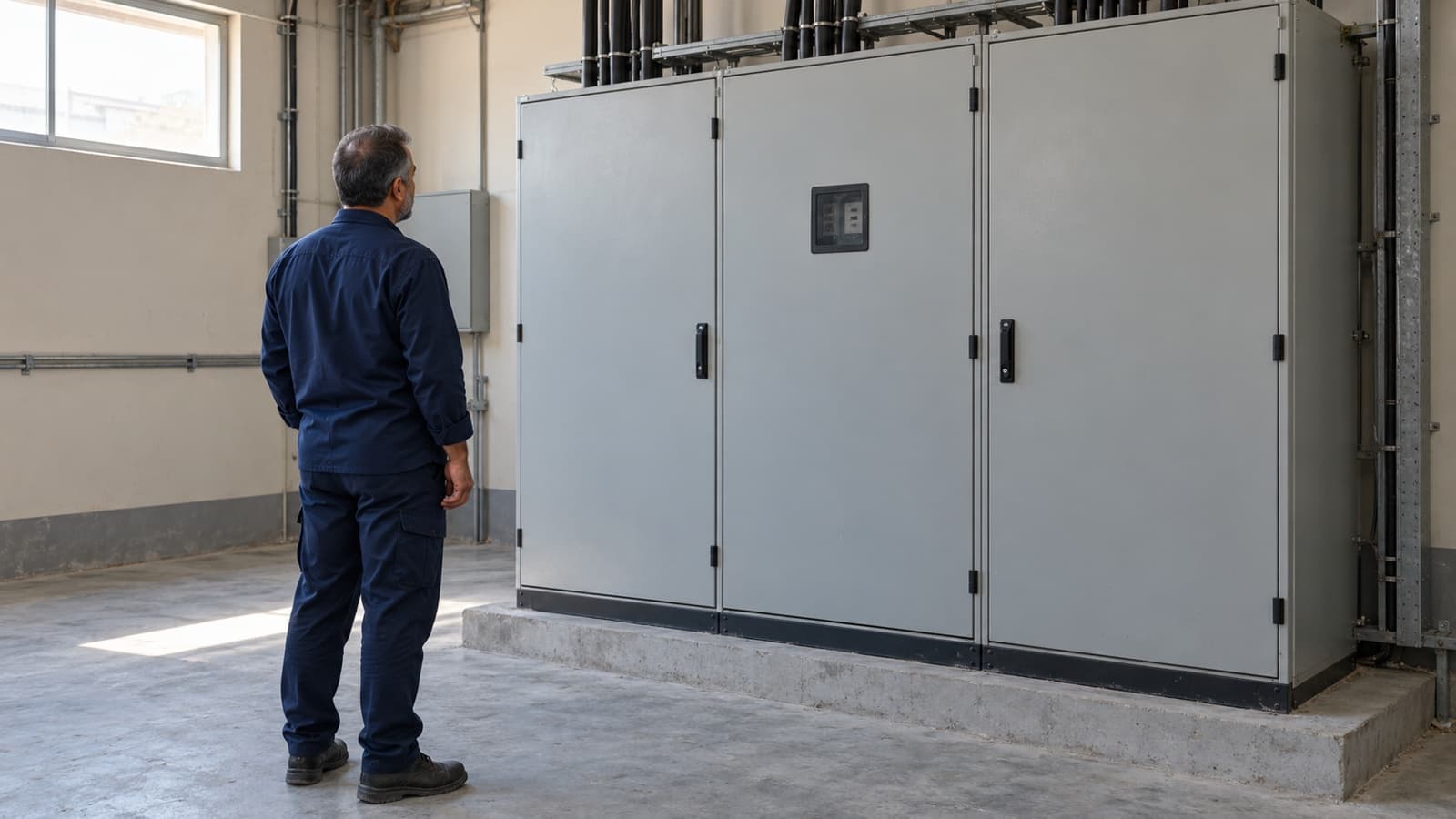
Provide the account details privately to the relevant professionals, alongside available electricity bills, drawings, operating calendar, roof records and owner consent where needed. Do not open electrical cabinets or climb onto an inaccessible roof to gather information yourself.
Decision takeaway: proceed to comparable final offers when three things agree: the utility-accepted capacity and settlement route, a professionally assessed roof layout, and a financial model using credits the business can actually use. If any is unresolved, keep the offer provisional rather than committing to equipment.
To explore installer options, request solar quotations for your Ras Al Khaimah industrial property through SolarQuote. Include the emirate, industrial property type, decision-making authority, available bills and any confirmed utility constraints. Matching depends on project suitability and installer availability; SolarQuote is a comparison platform, not EtihadWE, the municipality or an approval body.
Sources checked on 27 October 2026. The utility announcement is dated 2024; current account-specific acceptance and commercial terms must be confirmed before commitment.